What Does a Freight Dispatcher Actually Do? (Day-to-Day Guide)
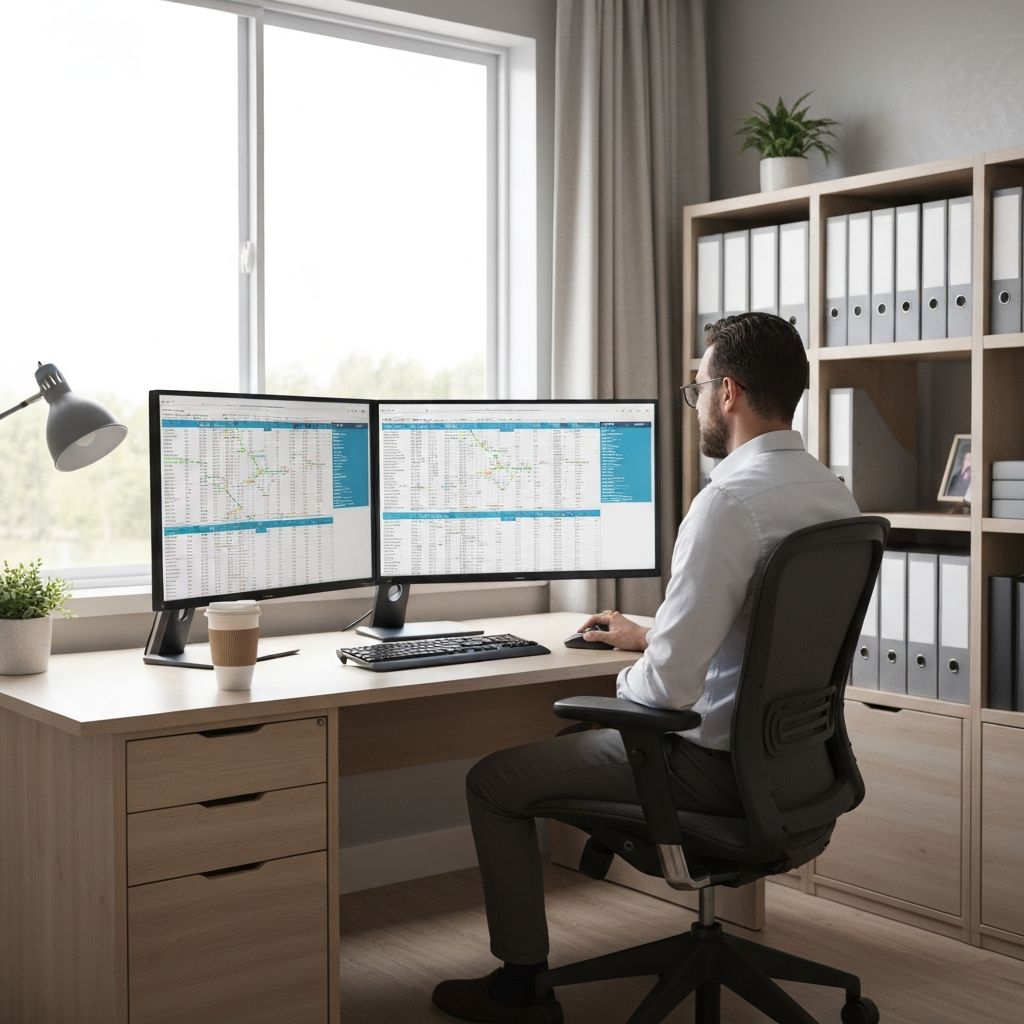
The Short Answer
A freight dispatcher finds and books loads for truck drivers, negotiates rates with brokers, plans routes, and handles the paperwork so drivers can focus on driving. Dispatchers work for carriers (not shippers), typically charge 5–10% per load or a flat weekly fee, and can run the entire business from a laptop and phone.
If you are weighing dispatching as a career, the first thing you need is a clear picture of what the work actually involves day to day. It is not glamorous, but it is learnable, repeatable, and can be done from anywhere with a phone and an internet connection.
A freight dispatcher finds loads on load boards, negotiates rates with brokers, books and confirms loads, plans routes, and manages paperwork (rate confirmations, BOLs, invoicing) on behalf of truck drivers and owner-operators. They act as the carrier's back office so the driver can stay on the road.
The Core Responsibilities
- Finding loads on boards like DAT and Truckstop that match the truck's location and equipment
- Negotiating the best possible rate with the broker or shipper
- Booking the load and getting a signed rate confirmation
- Planning routes to minimize empty (deadhead) miles
- Handling paperwork: rate cons, bills of lading, and invoicing
- Tracking the load and communicating updates to the driver
- Vetting brokers to avoid double-brokering and payment scams
A Typical Day, Hour by Hour
| Time | Activity |
|---|---|
| 6:00–8:00 AM | Check driver locations, review available loads, plan the day |
| 8:00–11:00 AM | Call brokers, negotiate rates, book loads for the next 1–2 days |
| 11:00 AM–2:00 PM | Confirm paperwork, send rate confirmations, handle issues |
| 2:00–5:00 PM | Source loads for tomorrow, build broker relationships |
| Evening | Quick check-ins, invoicing, prep for the next morning |
Who a Dispatcher Works For
This is the single most important distinction in the industry. A dispatcher works FOR the carrier (the trucking company or owner-operator) and represents the driver's interests. A broker works for the shipper. Because dispatchers are agents of the carrier, they do not need MC Authority or the $75,000 surety bond that brokers must carry.
Dispatcher vs. Broker in One Sentence
A dispatcher helps a truck find freight; a broker helps freight find a truck. Brokers need a $75,000 bond and MC Authority — dispatchers need neither.
Skills That Actually Matter
- Phone confidence — most rate negotiation happens by voice
- Basic geography and route logic to spot profitable lanes
- Organization — you may juggle several trucks at once
- Broker vetting to protect your drivers from scams
- Persistence — sourcing good loads is a numbers game
None of these require a degree or a license. They are skills you can build in weeks with the right training and a willingness to get on the phone.
Frequently Asked Questions
Do freight dispatchers need a license?
No. Freight dispatchers do not need a federal license, MC Authority, or a surety bond. Those are requirements for freight brokers (who must carry a $75,000 bond). A dispatcher only needs a basic state business registration.
How much does a freight dispatcher charge?
Most dispatchers charge 5%–10% of each load's gross revenue, or a flat weekly fee per truck (commonly $50–$150). The percentage model scales with the value of the loads booked.
Can you be a freight dispatcher from home?
Yes. Dispatching is one of the most genuinely remote logistics roles. All you need is a computer, a phone, reliable internet, and a load board subscription. Many dispatchers run their entire business from a home office.
Related Guides

Michael Rivera
3PL freight broker with 10+ years experience and the lead instructor at Dispatcher Pro Academy.